Research
Development
Project Management
Climate Change Adaptation
Climate Change Mitigation
Social Justice
Health and Comfort

Funding body

Österreichische Forschungsförderungsgesellschaft, International Energy Agency EBC
Funding amount
330.000€
Consortium
Institute of Building Research & Innovation
Fraunhofer Institut
Hunan University
University of Liege, Department of Architecture, Geology, Environment and Constructions
EURAC Research
Université de La Rochelle, Laboratoire des Sciences de l’Ingénieur pour l’Environnement
KU Leuven
Politecnico di Torino
GEBZE Technical University
Norwegian University of Science and Technology
University o Gävle
Aalborg University, Department of the Built Environment
Effin'Art
Technical University of Denmark, Indoor Environment, Department of Civil Engineering
Brunel University of London, Department of Mechanical and Aerospace Engineering
Federal University of Santa Catarina
National University of Singapore
Lawrence Berkley National Labratory
Queensland University of Technology
Technical University of Denmark
Université de Sherbrooke, Department of Civil and Building Engineering
University of Lincoln, Lincoln School of Architecture and the Built Environment
Concordia University
International Network for Information on Ventilation and Energy Performance (INIVE)/ (venticool)
Aarlborg University
Hunan University
ENEA - Energy Technologies and Renewable Sources Department
Short summary
IEA EBC Annex 80 Resilient Cooling of Buildings was started against the background of a worldwide rapidly growing need for cooling. It aimed to develop, evaluate, and communicate solutions for resilient cooling and overheating protection of buildings during heat waves and power outages.
Methodology
Methodologically, the research activity is organized into four subtasks and further five over-arching task groups.
Systematic evaluation of existing cooling technologies, their potential, limitations, and qualities of resilience.
Development and improvement of cooling technologies in terms of robustness, efficiency, CO2 neutrality and affordability.
Evaluate the real-world performance of cooling technologies to identify performance gaps and develop solutions to systematically overcome them.
Identification and communication of regulatory measures that can support the broad application of resilient cooling technologies.
The results of Annex 80 are documented in seven deliverables in numerous scientific publications and are freely available.
Objectives
Annex 80’s main objective is to support a rapid transition to an environment where resilient low energy and low carbon cooling systems are the mainstream and preferred solutions for cooling and overheating issues in buildings. The term "resilient cooling of buildings" refers to energy efficient, low emission, and financially affordable cooling concepts that increase resilience and prevent thermal and other climate change impacts at global and local level.
Annex 80 covers the spectrum of the following four technology groups:
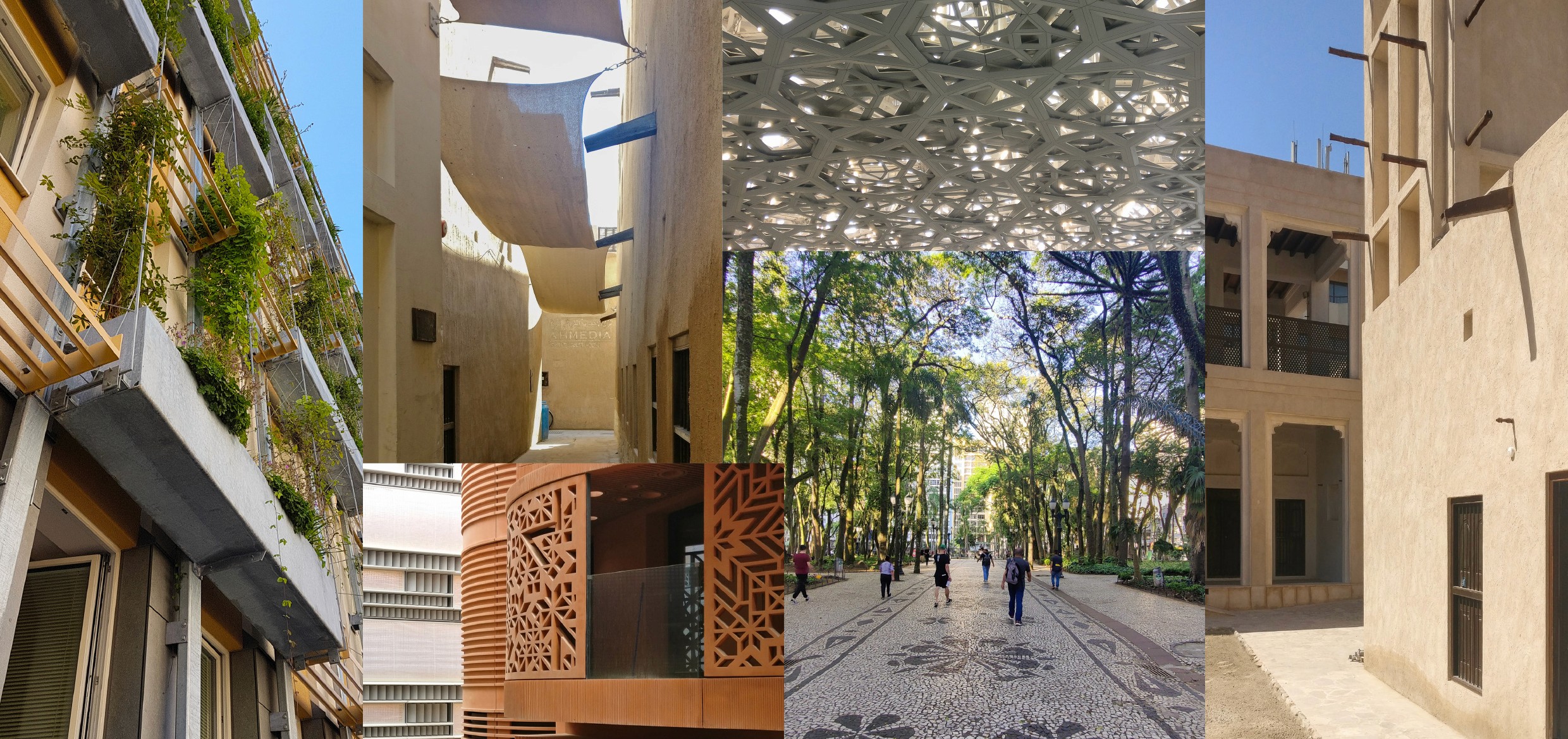
Reducing heat gains to the indoor environment and people environments
Removing sensible heat from the indoor environment
Increasing personal comfort apart from space cooling
Removing latent heat from indoor environment
Collage of cooling technologies
© IBRI
Results
Annex 80 made significant contributions to the professionalization and application support of resilient cooling of buildings and expanded the possibilities for its application in a wide range of climate zones and building types through several scientific publications and handbooks. It assessed the state-of-the-art of numerous cooling solutions and contributed to the definition of “resilient cooling of building”. It developed and documented a method to create future weather files and an impact assessment guideline for building simulation modelling.
The following deliverables have been published:
Resilient Cooling Design Guidelines, published in collaboration with REHVA
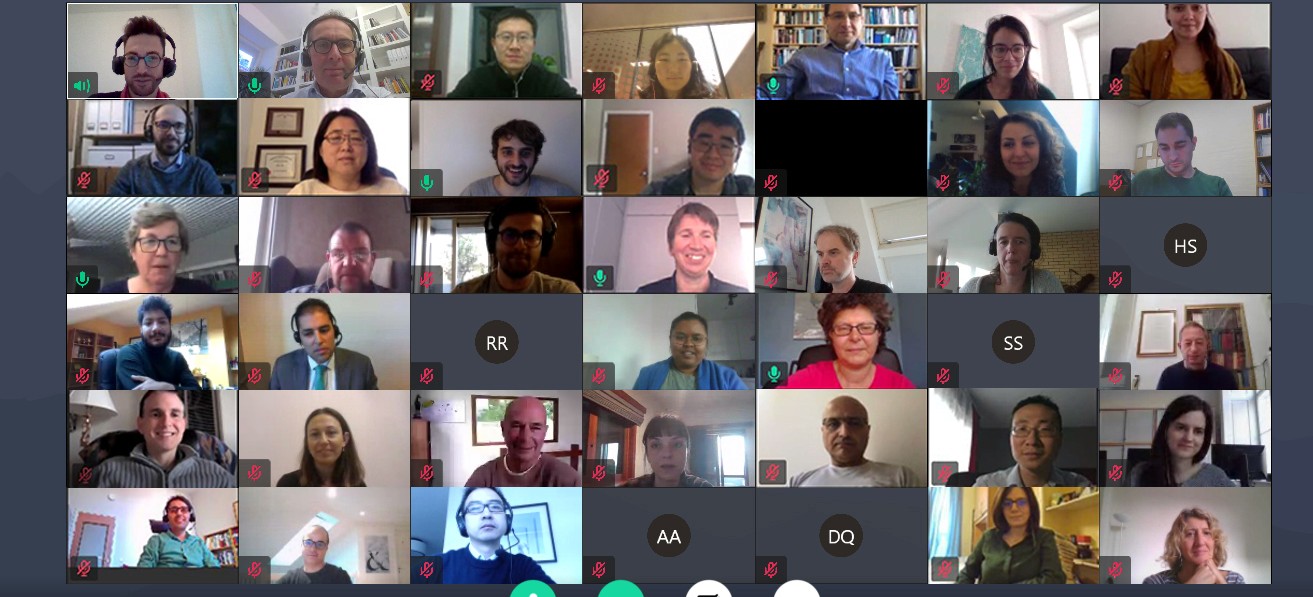
Group photo taken at the 2nd Expert Meeting during the pandemic
©IBRI
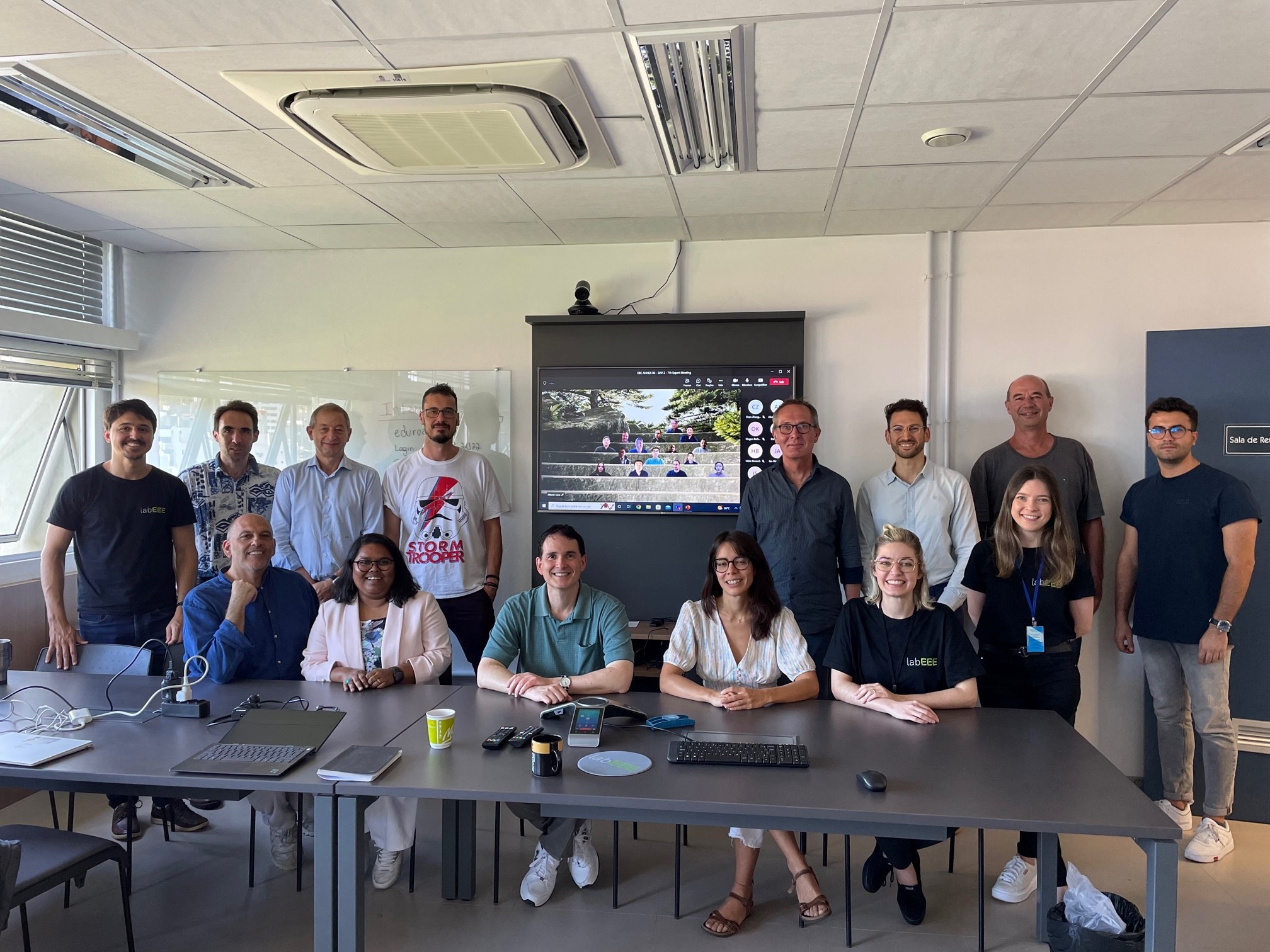
Group photo taken at the 7th Expert Meeting in Florianopolis
© IBRI
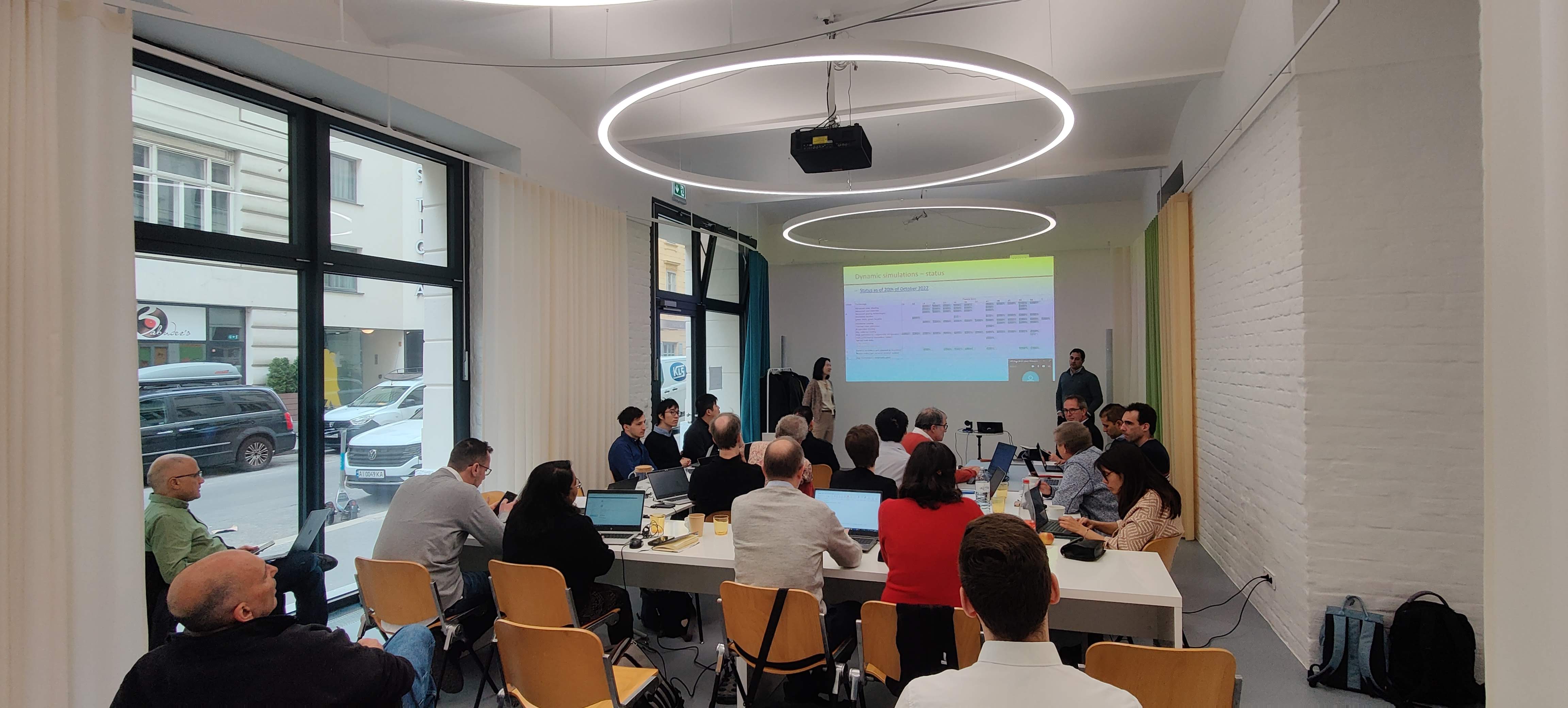
Group photo taken at the 8th Expert Meeting in Vienna
© IBRI
Raports